This page UNDER CONSTRUCTION aims to introduce some past events. This information is not present in the submitted version of the thesis; however, it was a concrete output as noted in the introduction.
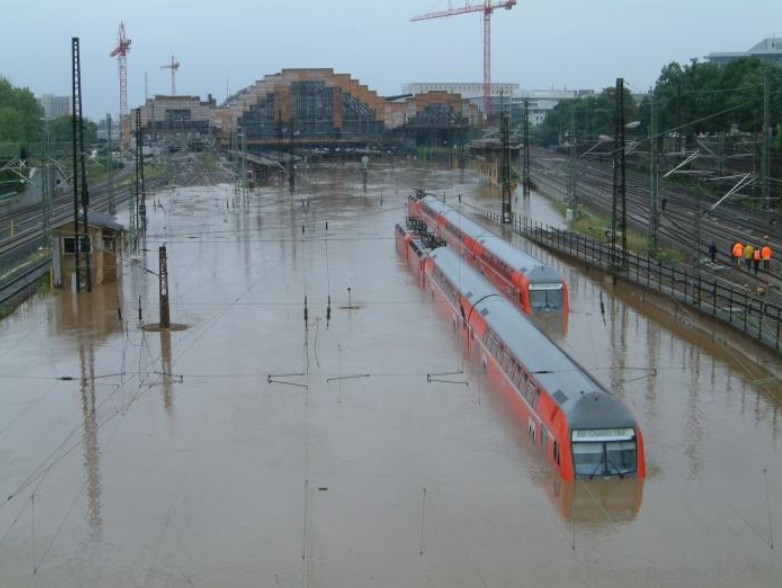
August 2002 – Central European Floods
It appears to be one of the first major European event leading to stronger consideration of flood risk in infrastructure design and investment.
Localisation in the Elbe and Danube bassin with roads, motorways, railways & bridges affected.
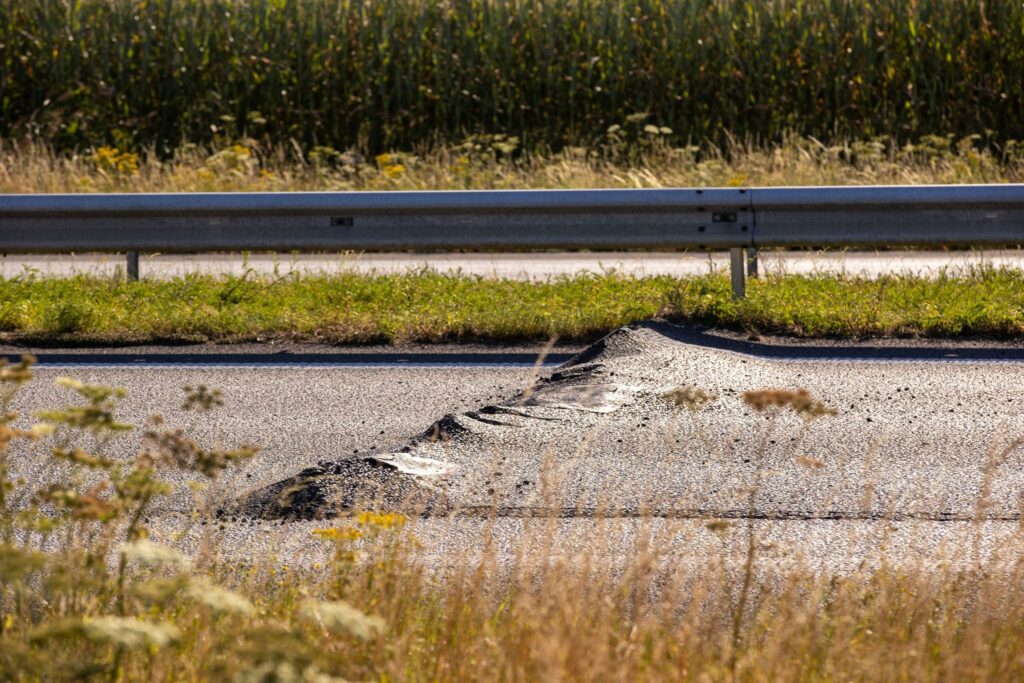
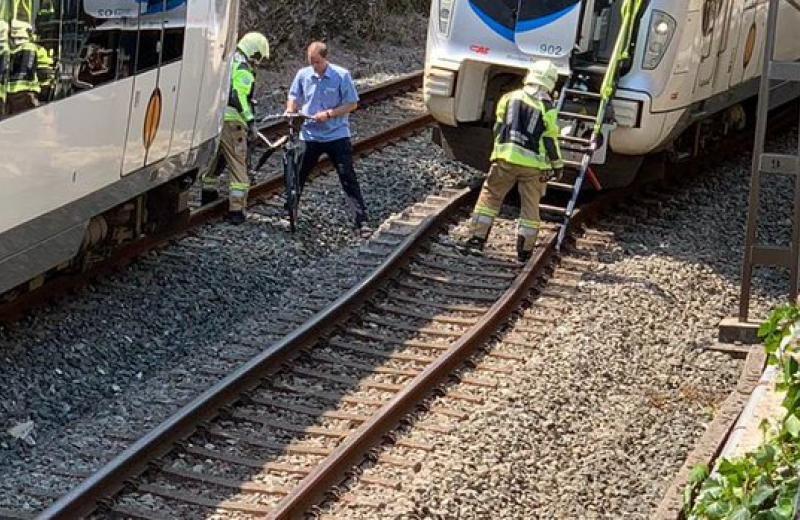
Summer 2003 – European Heatwaves
This heatwave probably triggered the first large-scale adaptations to extreme heat, including rail upgrades and more heat-resistant road materials.
Localisation in France, UK, Spain, Italy… with railways and motorways pavements affected.
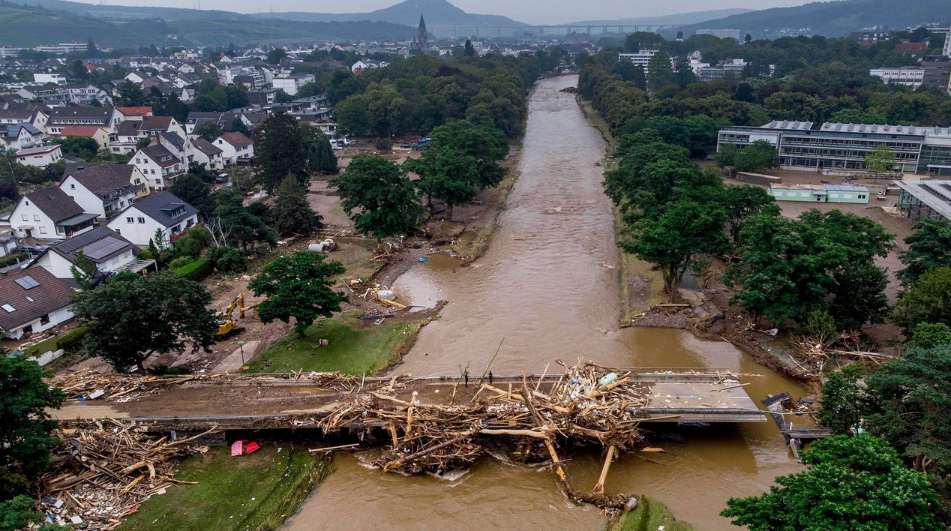
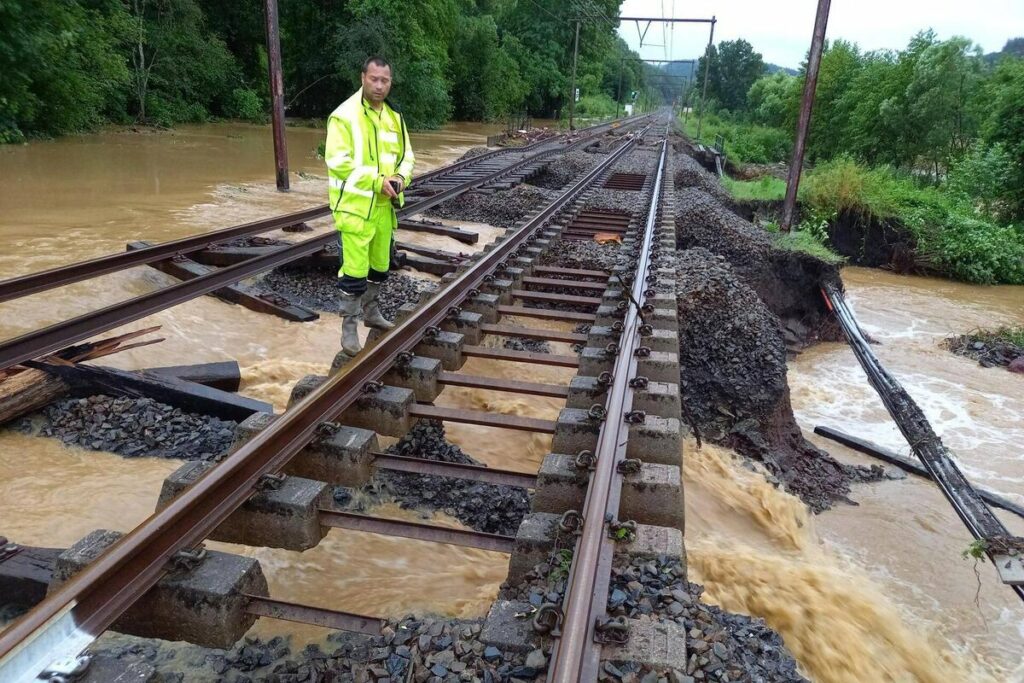
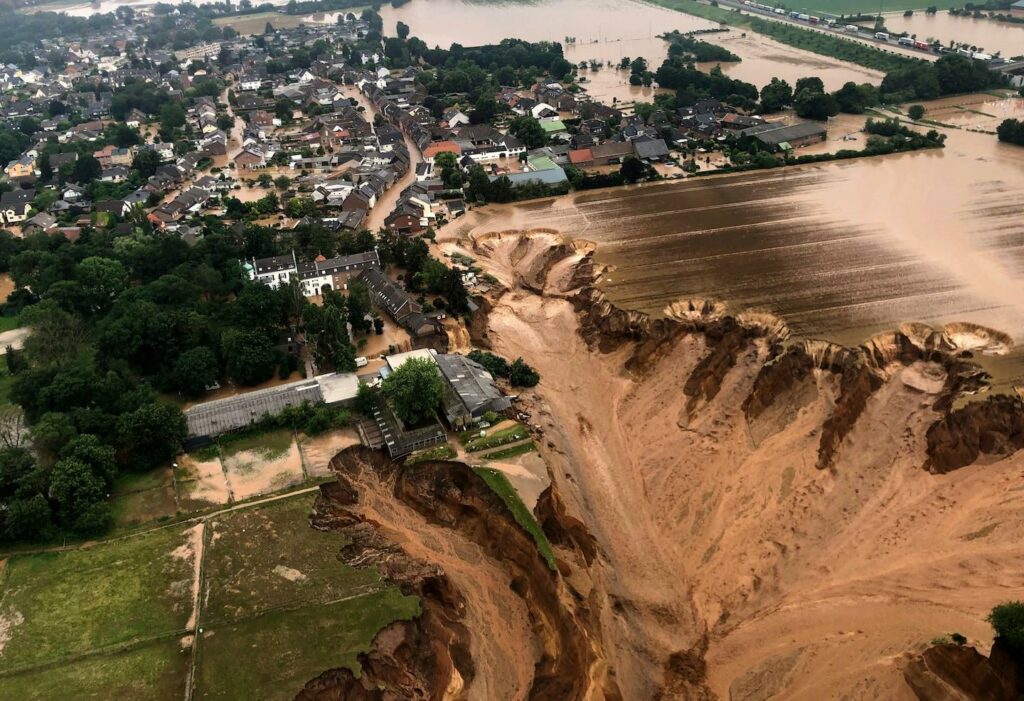
July 2021 – Western European Floods
Probably the most recent and impactful natural disaster in Belgium (and Germany)
The most impacted areas were the Ahr & Erft Valley in Germany, the Vesdre Valley in Belgium and the Limburg in Netherlands.
This one is probably the most important recent and best example in Europe regarding the climate resilience because it It appears that this event had a significant impact on:
-infrastructure reconstruction costs;
-engineering design standards;
-infrastructure financing criteria;
-insurance and reinsurance practices;
-climate risk assessment requirements for public investments.
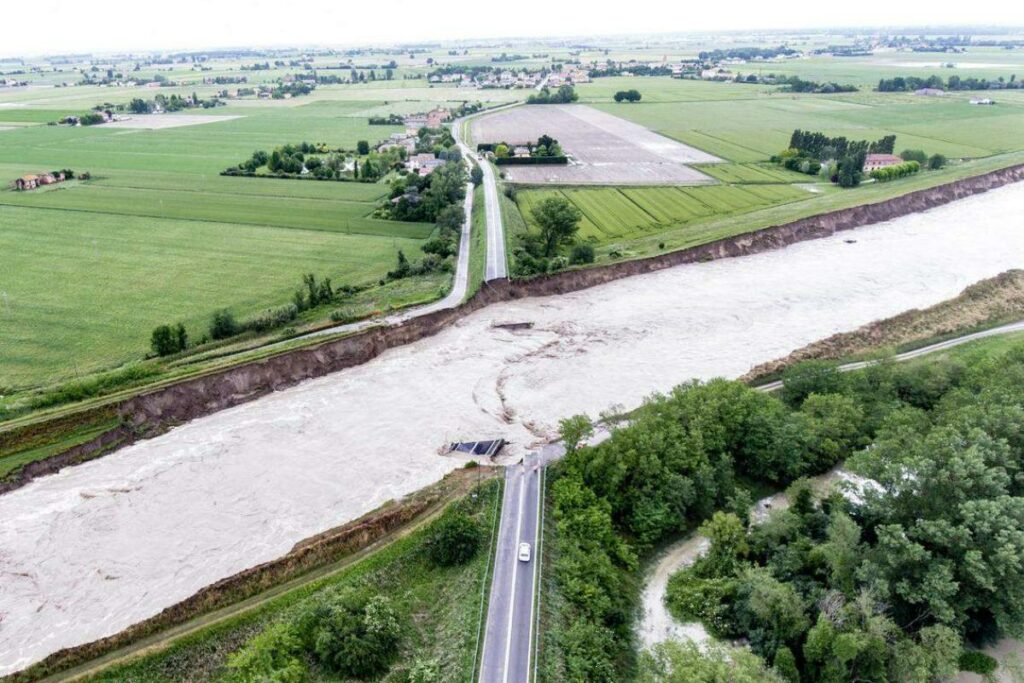
May 2023 – Emilia-Romagna floods
The disaster was caused by two extreme rainfall events within two weeks (2-3 May + 16-17 May), after a prolonged drought that had hardened the soil and reduced infiltration.
17 fatalities, ~ 50.000 people displaced, more than 20 rivers overflowed, around 400 landslides, over 40 municipalities flooded..
This event is increasingly cited as an example of “Build Back Better”.
The regional government developed a 12-year resilience programme worth approximately €4.5 billion,
Although total economic losses exceeded €10 billion, the insured property losses were only about €495 million, meaning that most recovery costs were borne by governments, businesses, and households rather than insurers.